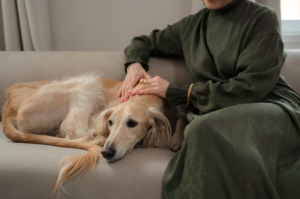

Deciding that it is time to say goodbye to your dog is emotionally exhausting. Many families choose to put their dog to sleep at home so their dog can stay in a familiar place, close to the people they love, rather than travelling to a clinic when they are tired or in pain.
This article offers general guidance from our veterinary team to help you prepare your home for a planned visit. It does not replace personalised veterinary advice.
Step 1: Choose a calm, comfortable space
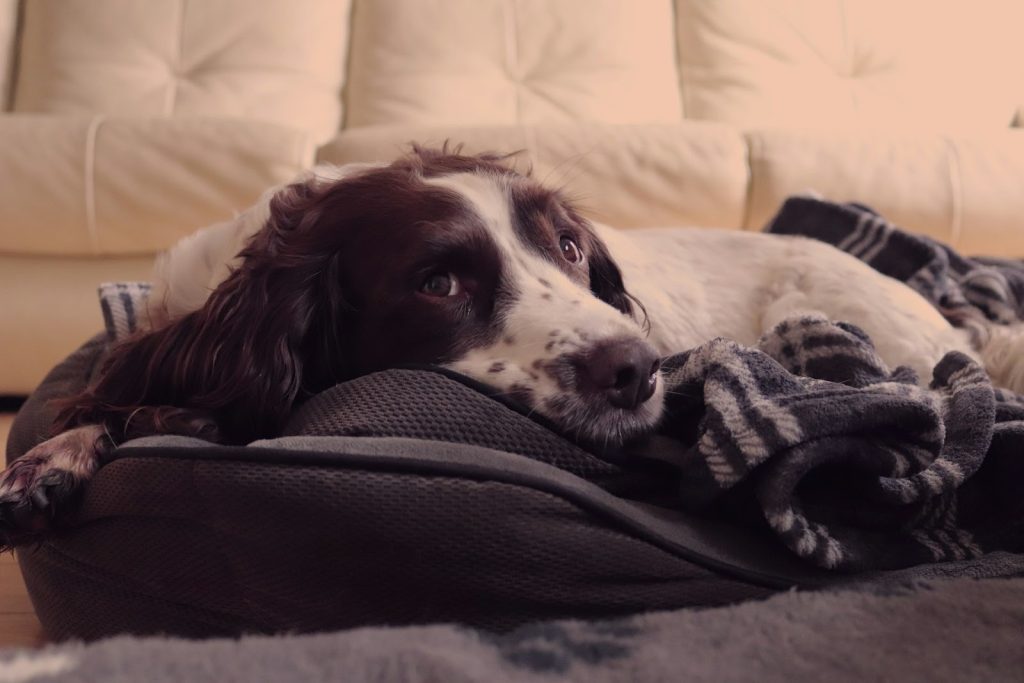
The first decision is choosing where in your home the appointment should take place. Most dogs relax best in the room where they usually curl up in the evening, such as the lounge, bedroom or a favourite spot by the sofa.
When deciding on the room, ask yourself:
- Is this area quiet, away from doors and televisions
- Can my dog lie in their usual resting position
- Is there enough space for the vet and nurse to move safely
The RSPCA explains that euthanasia should be a calm and pain-free process, and that peaceful surroundings help both pets and families in their guidance on saying goodbye to a pet.
Step 2: Lay out your dog’s familiar things
Dogs are comforted by familiar smells and textures, especially when they are unwell or anxious. Preparing the room with items they already know helps them relax and reduces the need for extra handling.
You might:
- Put down your dog’s usual bed or a familiar blanket
- Add a towel or blanket underneath that you do not mind being marked
- Bring in a favourite toy or comfort object
- Keep a small bowl of fresh water nearby
We often see dogs settle more quickly when they can rest on their normal bedding rather than something new. The PDSA highlights how a calm, familiar environment eases anxiety for pets nearing the end of life in their advice on when it may be time to say goodbye.

Step 3: Decide who should be there
Thinking about who will be present can prevent rushed decisions on the day.
You may find it useful to let close family members know the date and approximate time, decide who wants to remain in the room and choose one person to lead on asking the vet questions. Home visits are intentionally unhurried, and the vet will explain each stage clearly and allow quiet pauses whenever needed.
Children often cope better when they are gently prepared with simple, honest language. You might explain that the vet will give a medicine that helps your dog fall into a deep sleep, describe in age-appropriate words what they might see and offer them the choice to be in the room, stay nearby or say goodbye afterwards. The Blue Cross offers further ideas in their resource on pet loss support for children.
Other pets may react in different ways. Some will lie quietly nearby, while others may become restless with visitors. You can keep them in another room and bring them in afterwards if you feel that will help them understand the change.
Step 4: Prepare a few practical details
On the day, small practical preparations can make the appointment feel calmer and help everything run smoothly.
A simple checklist:
- Ensure the vet can park reasonably close and reach your door easily
- Clear a tidy walkway to the room you have chosen
- Set aside a small space on a table or counter for paperwork
- Think ahead about whether you prefer home burial, communal cremation or individual cremation with ashes returned
Preparing these details beforehand means you can focus on your dog rather than logistics.
Step 5: Prepare yourself emotionally
No amount of planning removes the sadness of saying goodbye, but giving yourself a little time to gather your thoughts can help.
You may want to write down questions about your dog’s comfort or medication, talk with family members about how involved they would like to be and plan something simple for afterwards, such as making tea together or taking a gentle walk.
Grief rarely follows a single pattern. You might feel numb, teary, guilty, relieved or a mixture of all these in turn. If you are finding it hard to cope, our guide to coping with pet loss offers further support.
Step 6: Know what to expect from the visit
Understanding what will happen can reduce uncertainty on the day. All medications and decisions are overseen by experienced veterinary surgeons in line with UK welfare guidance, and the visit is structured to be as calm and respectful as possible.
When the vet and nurse arrive, they will begin with a quiet conversation about your dog and how you are feeling. You will then be asked to sign a consent form and confirm your preferred aftercare option.
The vet will gently prepare your dog by clipping a small patch of fur and placing a tiny intravenous catheter, usually in a front leg. This allows a sedative and the final anaesthetic injection to be given smoothly with minimal movement. If your dog is anxious, a light sedative may be recommended first to help them relax.
When you are ready, the vet will give the final medication through the catheter. Your dog will fall into a very deep sleep within a few seconds and then pass peacefully. You can hold them, stroke them or simply sit close by.
Some dogs may make a final deep breath or have small twitching movements afterwards. These are normal reflexes and do not mean your dog is aware or uncomfortable. The vet will listen with a stethoscope and tell you gently when your dog has passed away.
If you need more help understanding the process, our article on how dog euthanasia works and how to cope with loss explains each step in more depth.
Step 7: Small touches that can help
Families often find that simple details make the experience feel calmer. Turning phones to silent, letting trusted neighbours know you expect a private visit, keeping tissues and water nearby and asking a close friend to check in with you later in the day can all help.
Try not to judge yourself for how you cope. If you are struggling with the decision itself, our guide to dog euthanasia and the heartbreaking decision may help you think about your dog’s quality of life.
Moving forward and where to find support
What matters most is that your dog feels safe, warm and loved, and that you feel supported in the way you say goodbye. A home visit allows the appointment to be shaped around your dog’s needs and your family’s preferences, rather than around a busy clinic environment.
If you live in Cardiff or the wider South Wales region and are considering this option, you can learn more about what is involved by visiting our dedicated page on home euthanasia. Reaching out early gives you time to ask questions, discuss your dog’s condition and plan a goodbye that feels calm, respectful and true to the bond you share.