
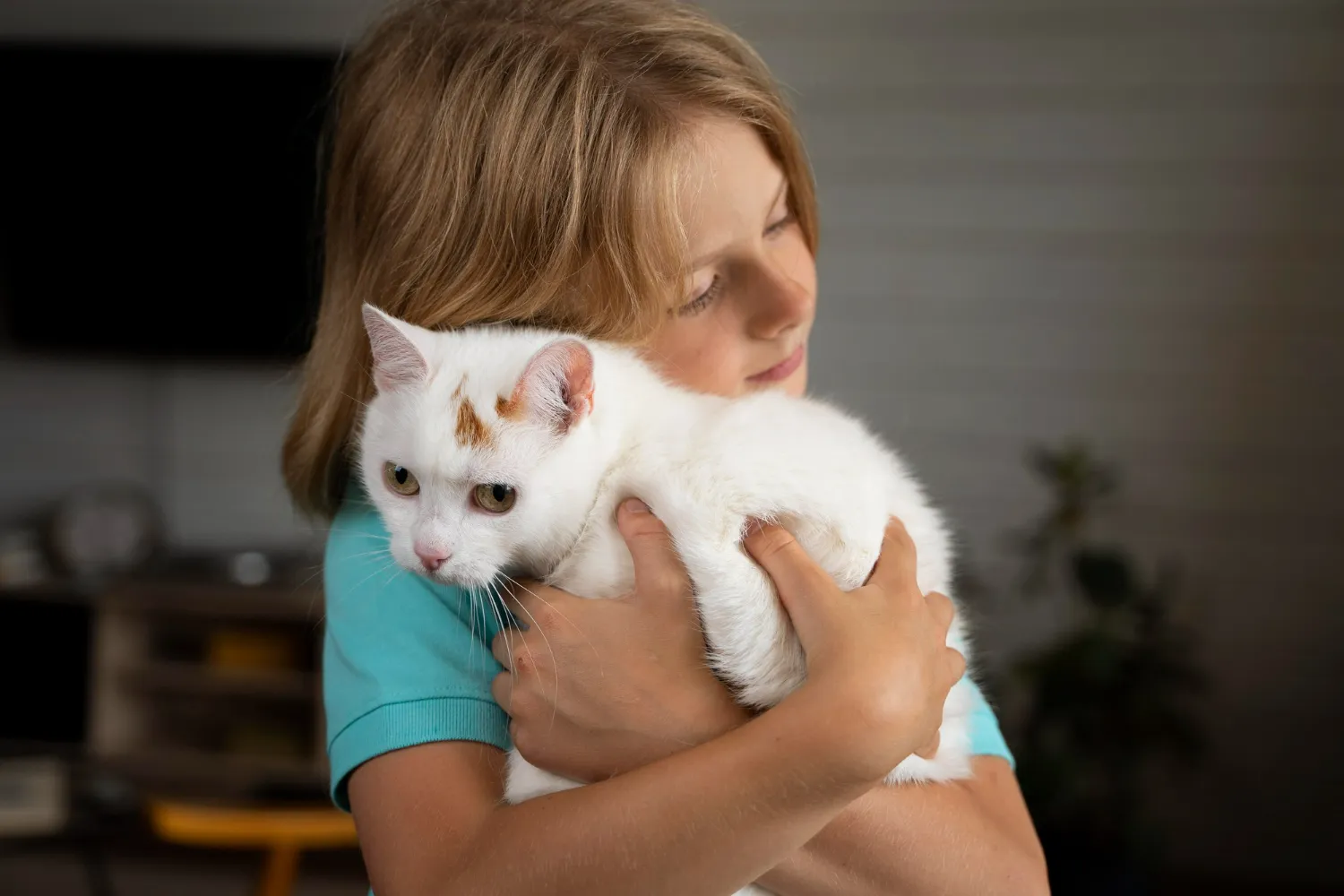
For many children, losing a pet is their first close experience of death and grief. It can be confusing, upsetting, and hard to put into words, especially when that pet has been part of everyday family life for years.
A pet is rarely “just an animal” to a child. They may be a companion, a source of comfort, a familiar part of routines, and, in many cases, a best friend. That is why grief after pet loss can feel so big, even when adults expect children to “bounce back” quickly.
What helps most is not perfect wording, but calm honesty, reassurance, and a willingness to stay with the sadness.
Why losing a pet can affect children so deeply
Children often feel deeply attached to pets because those relationships are woven into ordinary life. Pets are there after school, at bedtime, on the sofa, in the garden, and in the quiet moments that make home feel familiar.
When that presence disappears, the absence can feel enormous. Adults often carry the practical side of grief as well, but for children, the loss is usually immediate and concrete. They notice the empty bed, the quiet house, the lead that is no longer used, or the feeding routine that has stopped.
In practice, we often see that children notice these small changes first, even before they can explain what they are feeling.
Children also understand death differently depending on age. Guidance on children’s understanding of death at different ages is a useful reminder that a child’s response is shaped not only by grief itself, but by what they can understand.
How children may respond at different ages
Not every child grieves in the same way. Age, temperament, previous experiences, and the bond they had with the pet all play a part.
Younger children
Very young children may not fully understand that death is permanent. They might ask when the pet is coming back, repeat the same questions, or move quickly between sadness and play.
They often need:
- simple explanations
- repetition
- reassurance
- space to process things gradually
School-age children
Older children usually understand more, but that can bring new worries. They may ask detailed questions, worry that other pets or family members will die too, or show grief through behaviour rather than words.
You may notice:
- clinginess
- anger
- guilt
- changes in sleep or mood
Teenagers
Teenagers may grieve more privately. Some will talk openly. Others may seem distant, irritable, or reluctant to show emotion.
There is no single “right” response. Children can be deeply upset one moment and playing the next. That does not mean they are not grieving. It often means they are processing grief in manageable bursts.
Be honest about what has happened

One of the kindest things you can do is use clear, truthful language.
Phrases like “gone to sleep” or “gone away” can feel gentler, but they often confuse children. If a child hears that a pet was “put to sleep”, they may become frightened of sleep. If they are told a pet has “gone away”, they may wait for them to return.
Gentle honesty is usually more helpful. Advice on explaining death and dying to children supports using simple, clear language that children can understand and trust.
You might say:
- “He died today, and that means his body stopped working.”
- “She was very poorly, and the kindest thing was to let her die peacefully.”
- “He is not coming back, and I know that feels very sad.”
Parents do not need a perfect script. Children usually need calm, truthful answers more than polished wording.
Let them ask questions
Children often process grief by asking questions repeatedly. Some may sound emotional. Others may sound surprisingly direct.
They may ask:
- Why did she die?
- Was he in pain?
- Did we do the right thing?
- Will you die too?
- Can we get another pet?
These questions can feel hard, but they are usually a sign that a child is trying to make sense of what has happened. It helps to answer honestly, in age-appropriate language, without overexplaining.
It is also fine to say:
- “That’s a really important question.”
- “I’m glad you asked me.”
- “I do not know everything, but I do know we loved her and cared for her.”
- “Yes, this is very sad, and it is okay to feel upset.”
Reassure them that grief can look different
Children do not always cry in the way adults expect. Some talk a lot. Some say very little. Some seem sad at bedtime, then cheerful half an hour later. Others become clingy, angry, or unusually tired.
It can help to say:
- “You might feel sad one minute and fine the next.”
- “You might miss her most at bedtime.”
- “You might feel angry that this happened.”
- “Whatever you’re feeling is okay.”
This matters because some children quietly worry that their feelings are wrong. Reassurance helps make grief feel less frightening.
Children often revisit grief later
Children do not always process grief all at once. A child may seem to cope well at first, then become upset days or weeks later when a routine changes, a birthday comes around, or something in the house reminds them of their pet.
This is normal. As children grow, they often revisit loss with a deeper understanding than they had at the time.
Do not rush them through it
Adults often want to make things feel better quickly, especially when the whole family is hurting. But grief does not move in a straight line, and children rarely benefit from being hurried past it.
Try to avoid saying:
- “Don’t cry.”
- “We can get another pet.”
- “At least she had a good life.”
- “You need to be brave.”
A gentler alternative is:
- “I know you miss him.”
- “This is really hard.”
- “You loved her very much.”
- “We can feel sad together.”
Keep routines steady where you can
Routine will not remove the sadness, but it can help children feel safe while they adjust.
It often helps to keep:
- mealtimes regular
- bedtime routines consistent
- school or nursery attendance steady, where appropriate
- everyday activities as predictable as possible
Familiar structure gives children something reliable to hold onto when something important has changed.
Give them a way to remember their pet
Simple remembrance can be very comforting. It gives children a way to hold onto the relationship rather than feeling it has simply vanished.
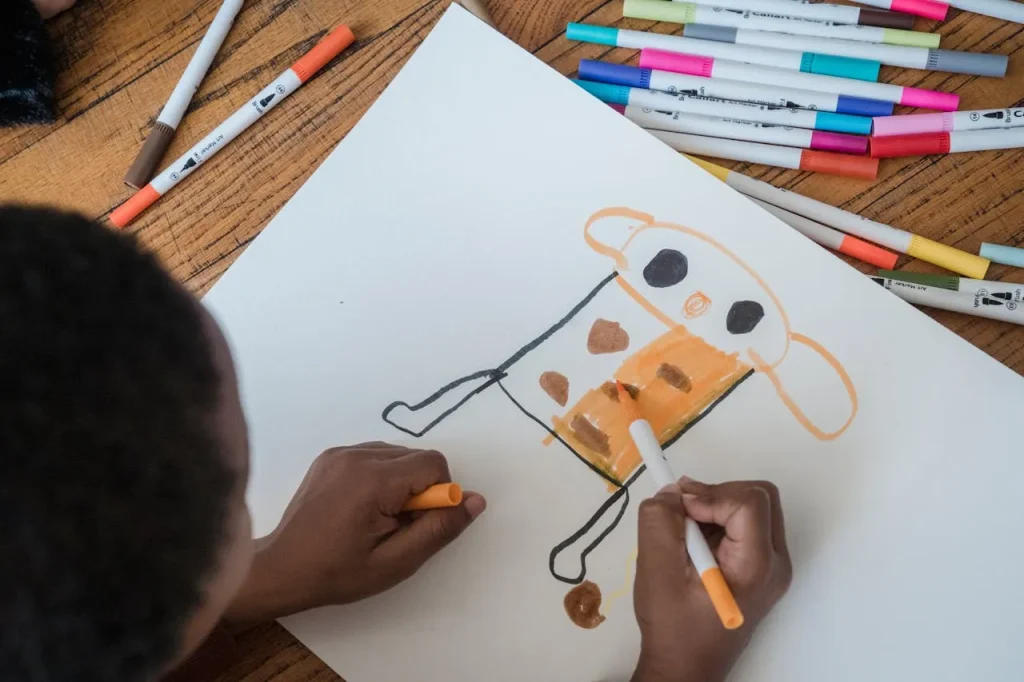
You could:
- Look at the photos together
- Draw pictures of the pet
- Write a short letter or message
- Create a memory box
- Share favourite stories
For some families, having a place to mark that bond matters too. Our Remembrance Wall can offer a gentle way to honour a pet’s life and what they meant to the family.
Include children in goodbye moments where appropriate
If a pet is very unwell and euthanasia is being considered, families often wonder how much children should be told or involved. There is no single answer. It depends on the child’s age, temperament, and what feels manageable for the family.
What matters most is that children are supported honestly and thoughtfully. For some, that may mean being closely involved. For others, it may mean a simpler goodbye.
That goodbye might include:
- spending a quiet moment with the pet
- drawing a picture or writing a note
- choosing a blanket or toy
- talking about a favourite memory
Families often tell us that children cope better when they are given a gentle, truthful explanation rather than being left to guess.
When difficult decisions are approaching
If a pet is very unwell and the family is facing difficult decisions, some parents find it helpful to understand what a peaceful goodbye can look like before they speak to their children about it.
For families who feel their pet would be most settled at home, our home euthanasia service offers a quiet, familiar setting when comfort and dignity become the priority. At Hensol Vets, these conversations are approached gently, with time for questions and respect for each family’s way of saying goodbye.
If it would help to understand what a calm goodbye at home can involve, our home euthanasia page is there when you feel ready to look.
Watch for signs that a child may need more support
Grief does not follow a neat timeline, but sometimes children need extra support if the loss is having a wider effect on daily life.
You may want to pay closer attention if you notice:
- Sleep problems that continue
- Ongoing anxiety or clinginess
- Withdrawal from normal activities
- Strong guilt that does not ease
- Major behaviour changes at home or school
- Eating difficulties or persistent low mood
It can also help to let the school or nursery know what has happened, especially if your child is quieter, more tearful, or finding transitions harder than usual.
If you would like broader support for the family after a pet has died, our article on coping with pet loss offers gentle guidance around grief, remembrance, and the emotional side of saying goodbye.
In summary
Helping children cope with losing a pet is not about getting every word right. It is about honesty, steadiness, and kindness.
Children need truthful explanations, reassurance that their feelings are normal, and permission to grieve in their own way. They also need adults who are willing to stay present with sadness rather than rush past it.
If a child is asking questions, crying unexpectedly, acting differently, or simply missing the little routines that used to involve their pet, that is grief speaking. The kindest response is usually to stay close, answer gently, and make room for both sadness and love.