When the time comes to say goodbye to a beloved pet, most families think carefully about who should be in the room. The people who loved that animal, perhaps the children, perhaps a close friend. But what about the other animals in the household?
It is a question we are asked regularly during home euthanasia appointments. The guidance below reflects both what the research shows and what we have observed across our work with families and their pets.
Why the Question Matters
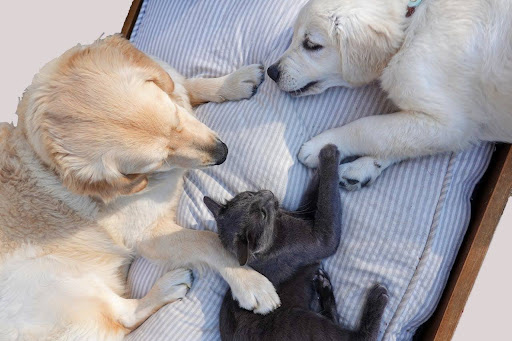
Companion animals form real social bonds with each other. Dogs who have shared a home for years, cats who have grown up together, a cat and dog who became unlikely friends. These are not casual relationships, and when one animal dies, the others are affected.
A peer-reviewed study published in PLOS ONE found that the majority of surviving dogs and cats displayed notable behavioural changes following the death of a companion, including increased clinginess, changes in eating habits, and more time spent in the deceased animal’s favourite spots. The study relies on owner-reported observations, which the authors acknowledge as a limitation, but the patterns it describes are consistent with other research in this area. What remains less settled is whether being present at the moment of death actually reduces those responses.
The honest answer is: it often seems to help, but it is not the right choice for every animal or every situation.
What Happens When Pets Do Not Witness the Death
Many families arrange a euthanasia appointment without thinking to include the other animals in the household. They come home without their companion, and the remaining pets begin searching.
Dogs sniff around the house. Cats sit in spots that belonged to their companion. Animals may vocalise more, eat less, or become unsettled in ways that appear connected to the absence.
The remaining animal registers that something has changed, but has no sensory information to explain what. Allowing them to be present, or at least to have time with the body afterwards, can give them that information in the most direct way available to them.
The Case for Including Your Other Pets
Evidence suggests that animals process the loss of a companion largely through sensory cues rather than conceptual understanding. They do not need an explanation. What they need is the chance to register what has happened through their own perception.
Research published in Applied Animal Behaviour Science found that surviving cats showed grief-like behavioural changes after the death of a companion, including reduced eating, sleeping, and playing, alongside increased attention-seeking. Cats with closer relationships to the deceased reacted more strongly, suggesting the bond itself shapes how much disruption a surviving pet experiences. We often see the most settled outcomes in surviving pets who were given some time with the body, though every animal responds differently.
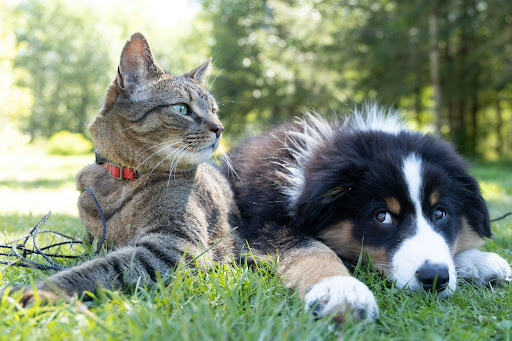
Signs that a companion animal may be struggling after a loss
The following behaviours are consistent with what the research above describes, and with what families report to us in the days and weeks after an appointment:
- Repeatedly searching rooms, beds, or favourite spots
- Loss of appetite or reduced interest in food
- Changes in sleep patterns, including restlessness at night
- Increased vocalisation, particularly in cats
- Clinginess or, in some animals, withdrawal
- Lethargy or reduced enthusiasm for walks, play, and normal routines
None of these means you made the wrong choice. Grief-like responses can happen whether or not a companion was present. Our article on coping with pet loss covers the emotional side of this period in more detail, for both you and the animals left behind.
When Letting a Pet Be Present Makes Sense
Being present does not have to mean being in the room for the full appointment. For some animals, being nearby, or being brought in gently afterwards to spend a few minutes with the body, may be sufficient.
A veterinary clinic is full of unfamiliar smells, sounds, and other animals. For a surviving pet, being brought into that setting at an already difficult moment adds stress that makes the whole experience harder. A home appointment removes all of that. The surviving pet is already in their own space, surrounded by familiar smells and routines, and there is nothing foreign or alarming about the setting itself. This is one of the reasons families tell us that a home appointment made this possible when a clinic visit would not have been.
We built our service around this. Appointments are never timed, never rushed, and if you want your other pets nearby or to spend time with the body afterwards, we will make sure there is space for that.
It tends to work best when:
- The animals have a close bond and regularly seek each other out
- The remaining pet is calm and not easily startled or anxious
- The setting is familiar, with no clinical surroundings or strange smells to add stress
- The family feels settled enough to manage both animals during the appointment
When It May Not Be the Right Choice
Including another pet is not always the right call. Here are the situations where it is worth thinking carefully.
| Situation | Why it may not be suitable |
| The remaining pet is already anxious or reactive | The emotional atmosphere of the appointment could heighten their distress |
| The two animals had a tense or difficult relationship | Forcing proximity at a stressful moment may not serve either animal well |
| The dying pet is easily unsettled by others | Their comfort during the appointment should come first |
| The remaining pet has a history of unpredictable behaviour | This is not the moment to manage that unpredictability |
| You are already managing a lot emotionally | It is fine to focus on your own goodbye, without additional complexity |
You know your animals. Trust your instinct about what is manageable.
Practical Guidance for the Appointment
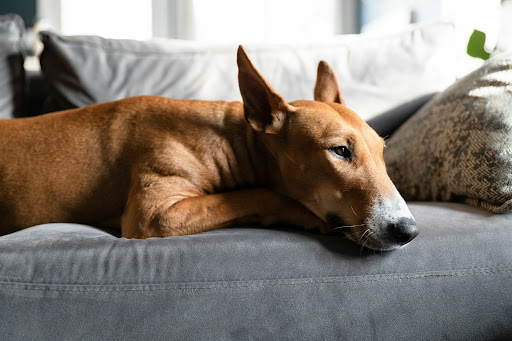
Here are some things worth keeping in mind if you decide to include your other pets.
Step 1: Talk to us beforehand. Let us know if you would like the remaining pet to spend time with the body. We can plan for it so the visit flows naturally rather than feeling rushed.
Step 2: Keep them calm. A short walk or a quiet period beforehand can help. Avoid anything that might over-excite or unsettle them before they come in.
Step 3: Let them lead. Do not force interaction. Let them approach or not approach in their own time. Some animals will sniff carefully and move away. Others will stay close for a while. Both responses are normal.
Step 4: Keep the routine steady afterwards. The remaining pet may seem quiet, restless, or a little lost. Familiar mealtimes, familiar walks, and familiar sleeping arrangements all help animals adjust to a changed household.
Step 5: Watch, but do not panic. Behavioural changes in surviving pets do not usually require intervention. They typically ease over days and weeks. If you notice significant changes in eating, drinking, or behaviour that persist beyond a few weeks, speak to a vet.
A Note on Cats Specifically
Cats are often assumed to be more independent and therefore less affected by the loss of a companion. The research does not consistently support that assumption. Our guide to saying goodbye to your cat covers what to expect during and after a peaceful appointment at home, including how your other animals may respond.
The Blue Cross also provides practical guidance on how surviving pets may behave following the loss of a companion, and when it might be worth seeking further advice from your vet.
In Summary
Letting companion animals be present, or spend time with the body of a deceased pet, may help them register what has happened and adjust more readily in the days that follow. The evidence is not conclusive, but it is consistent, and it aligns with what families report to us after appointments. It is not the right choice for every household, but where it is practical and appropriate, it is worth considering.
If you would like to understand the wider process, our guide to what is used for euthanasia in animals explains it clearly and honestly.
Saying Goodbye at Home, on Your Terms
If you are still working out what feels right, that is exactly the kind of conversation we are used to having.
Our home euthanasia service is built around the needs of the whole household, including the animals who will still be there when the appointment is over. Every visit is unhurried. We talk through the process beforehand, answer every question honestly, and structure the time in whatever way works best for your family.
Call us, email us, or simply read a little more. Get in touch with us directly when you are ready, and we will take it from there.