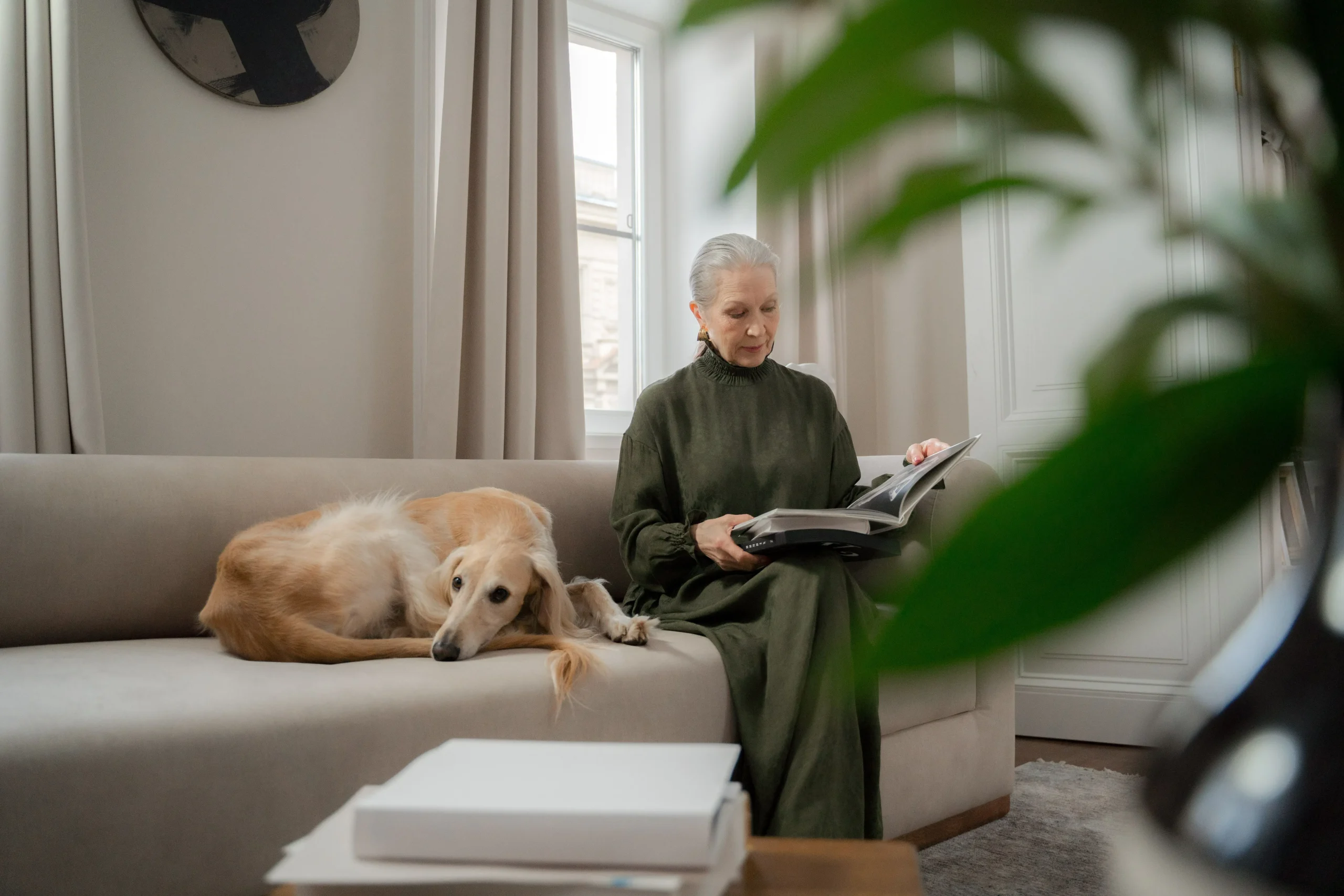
Every pet changes as they move through life. The lively puppy who once chewed your slippers may become the older dog who prefers a slower walk. The kitten who climbed the curtains may become the senior cat who wants warmth, quiet and a favourite spot no one else is allowed to touch.
The main thing to remember is this: keeping your pet happy is about noticing what they need now.
Food, exercise, routine, comfort and care should all change with age. When we understand those changes, we can support our pets with more patience, kindness and confidence.
Why Life Stage Care Matters
Pets do not stay the same, even when their personalities do.
A confident adult dog may become more cautious with age. A sociable cat may want more quiet spaces later in life. A young pet may need help learning boundaries, while an older pet may need help staying comfortable.
Life stage care helps you think about:
- What your pet eats
- How much exercise or play they need
- Their emotional wellbeing
- Signs of pain, stress or illness
- Their comfort and quality of life
It also helps you spot small changes earlier. Dogs and cats often adapt quietly. They may still eat, purr, wag their tail or come for a fuss, even when something is not quite right.
If you are unsure whether a change is linked to age, our guide to understanding your pet’s age in human years may help you think about their life stage more clearly.
Puppy and Kitten Care: Building Trust Early
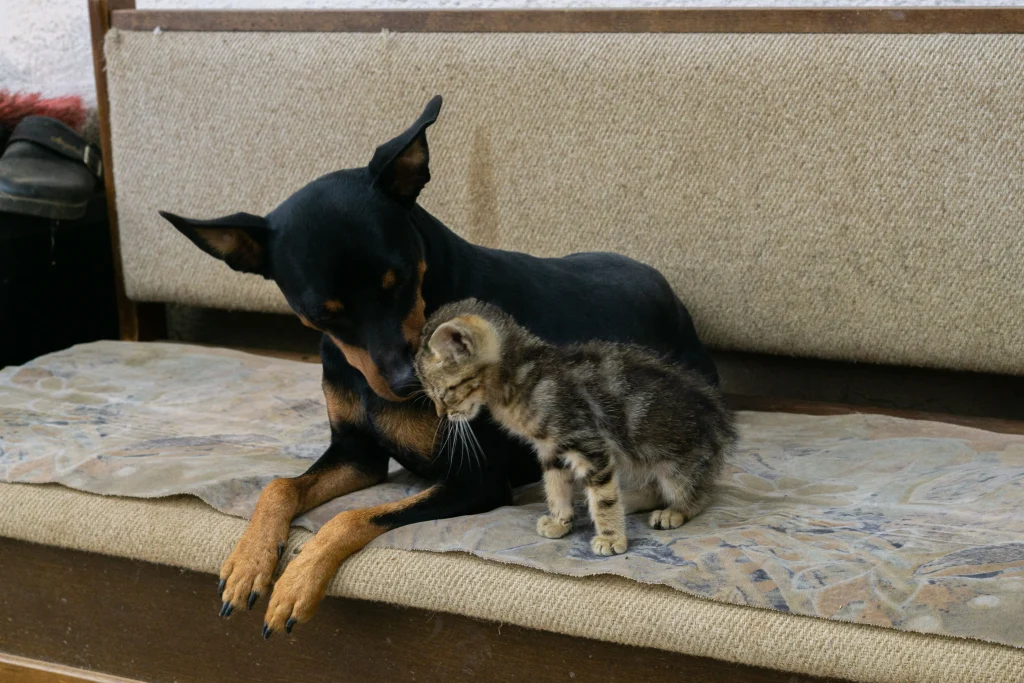
The early months are full of energy, curiosity and the occasional “where has that sock gone?” moment.
Young pets are learning what feels safe, what is allowed and how to live alongside you. This stage is not only about training. It is about building trust.
What Young Pets Need Most
Puppies and kittens usually do best with consistency. A calm routine helps them understand what to expect.
Focus on:
- Gentle handling from the start
- Positive introductions to normal household sounds
- Age-appropriate food
- Safe play
- Plenty of rest
- Regular checks with your usual veterinary practice
- Vaccination, parasite control and neutering discussions with your vet
Young animals grow quickly, so their diet needs to suit their development. Your usual vet can advise what is right for your pet’s breed, size, health and lifestyle.
Good Habits to Start Early
The habits you build now can make later care easier.
Try to make normal handling feel calm and familiar:
- Touch paws, ears and mouth gently during relaxed moments.
- Reward calm behaviour around grooming tools.
- Keep car journeys short and positive where possible.
- Make carriers and leads part of normal life.
- Use short, kind training sessions.
Small habits now can make grooming, check-ups and future treatment much less stressful.
Adult Pets: Keeping Them Fit and Settled
Adult pets can make life feel more settled. You know their habits, their routines and their little ways. You probably also know the exact toy they will ignore until you try to throw it away.
But adult pets still need active support.
This is the stage where daily habits can make a big difference over time.
Daily Care for Adult Dogs and Cats
Adult pets usually need a balance of movement, enrichment, rest and routine.
For dogs, this may include walks, play, training refreshers, sniffing time and calm downtime. The RSPCA’s guidance on supporting older dogs as their needs change explains why routines, rest and adapted care become increasingly important with age.
For cats, happiness often comes from choice and control. They need places to climb, scratch, hide, sleep and watch the household from a safe distance. Cats are not being difficult when they want options. They are being cats.
A good adult pet routine often includes:
- Measured meals suited to their activity level
- Fresh water available at all times
- Regular exercise or active play
- Mental stimulation
- Grooming checks
- Weight monitoring
- Preventative healthcare
Changes to Watch For
Adult pets can develop problems gradually. The signs are often easy to explain away at first.
Keep an eye on:
- Weight gain or weight loss
- Drinking more than usual
- Bad breath or difficulty chewing
- Reduced interest in play
- Changes in toileting habits
- Stiffness after resting
- Becoming withdrawn or unusually clingy
- Reacting differently to touch
One change does not always mean something serious. A pattern is what matters. If your pet seems different over several days or weeks, speak with your usual vet.
Senior Pets: Comfort Comes First
There is something very special about older pets. They know the household rhythm. They have favourite sleeping spots, familiar routines and a way of making their needs known without much fuss.
In later life, comfort matters more than keeping up. The aim is not to push them to behave like a younger animal. It is to help them enjoy life as they are now.
Older pets may experience changes in:
- Mobility
- Vision or hearing
- Appetite
- Sleep patterns
- Toileting
- Grooming
- Confidence
- Interest in play or walks
Many families first notice small changes at home, such as a dog pausing before the stairs, a cat grooming less often, or a pet choosing a quieter sleeping place. These details can be easy to dismiss, but they are often worth tracking, especially when they become more frequent.
Some changes are part of ageing, but that does not mean they should be ignored. Pain, dental disease, arthritis, kidney problems and other health concerns can all affect comfort.
If you are worried that your dog may be uncomfortable, our guide on recognising signs of pain in dogs explains some of the signs that can be easy to miss. For cats, our article on how to tell if your cat is in pain may also be useful.
Life Stage Care at a Glance
| Life stage | What they often need | What to watch for |
| Puppy or kitten | Socialisation, suitable food, safe play and regular checks | Poor appetite, vomiting, diarrhoea, fearfulness, injury or poor growth |
| Adult pet | Routine, exercise, enrichment, weight control and grooming | Weight changes, dental issues, stiffness, behaviour changes or toileting changes |
| Senior pet | Comfort, warmth, pain awareness and quality of life monitoring | Withdrawal, confusion, difficulty moving, persistent pain or loss of interest |
This table is only a guide. Every pet ages differently. Breed, size, personality, previous health and lifestyle all play a part.
Simple Ways to Keep Pets Happy at Any Age
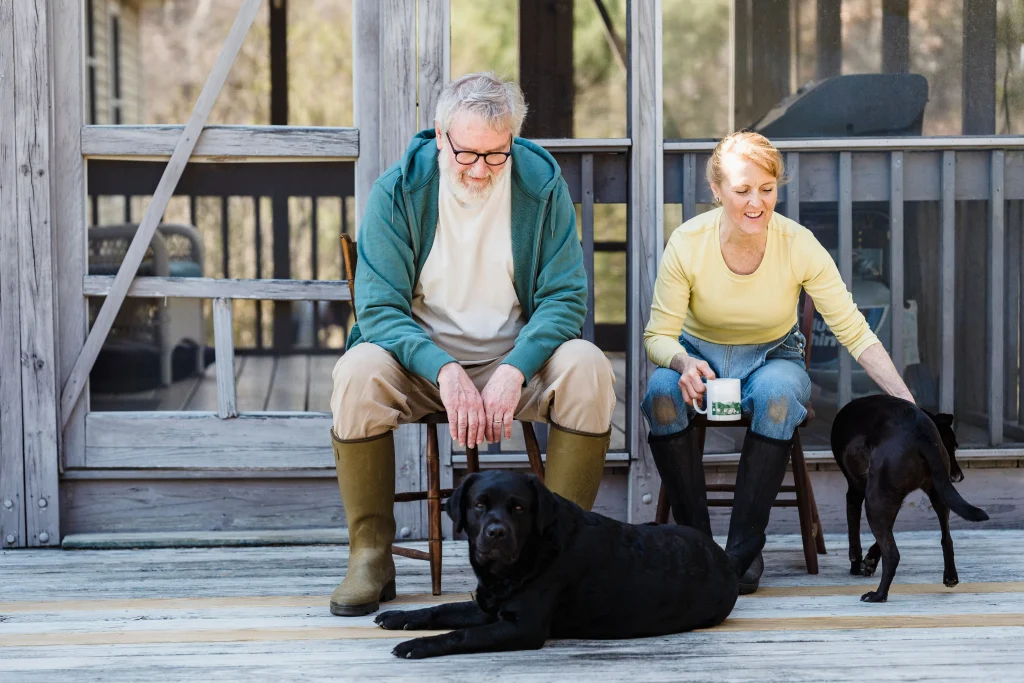
Although care changes through life, some things always matter.
Keep Their Routine Predictable
Pets feel safer when they know what to expect.
Feeding times, bedtime routines, walking habits and quiet spaces can all help them feel settled. This is especially helpful for anxious pets, older pets and cats who prefer life to be organised properly, thank you very much.
Make Home Comfortable
Small changes at home can make a big difference.
For older dogs, consider non-slip mats, supportive bedding and shorter, more frequent walks.
For cats, think about low-sided litter trays, easy access to food and water, warm resting spots and steps to favourite places. International Cat Care’s advice on special considerations for senior cats explains how older cats may need extra help with grooming, toileting, eating and regular health checks.
Watch Behaviour, Not Just Appetite
A pet can still eat and be uncomfortable. A cat can still purr and be in pain. A dog can still wag their tail and feel unwell.
Look at the whole picture:
- Are they moving normally?
- Are they choosing their usual places?
- Are they interacting as they normally would?
- Are they grooming?
- Are they sleeping more or less?
- Do they seem relaxed, or guarded?
You know your pet’s normal better than anyone. Trust that knowledge.
Keep Play Age-Appropriate
Play is not only for young pets.
Older dogs may enjoy scent games, gentle pottering and short training refreshers. Senior cats may prefer slower wand toys, puzzle feeders, or simply watching the world from a warm window ledge.
The goal is not to exhaust them. It is to keep their mind engaged and their day enjoyable.
When Happiness Becomes Quality of Life
There may come a time when the question changes.
Instead of asking, “How do we keep them active?” you may begin asking, “Are they still comfortable?” or “Are they still enjoying their days?”
These decisions are rarely clear-cut, and they should never feel rushed.
Quality of life is about looking at the whole pet, not just one good moment or one difficult day. Appetite matters, but so do movement, rest, pain, breathing, toileting, confidence and connection.
The PDSA’s guidance on assessing your pet’s quality of life suggests looking at comfort, movement, eating, drinking, toileting and whether your pet still enjoys the things that matter to them.
A simple way to track this is to mark good and bad days on a calendar. Over time, patterns become clearer. This can help you talk through your concerns more calmly with a veterinary professional.
Signs that comfort may need closer discussion include:
- More bad days than good days
- Pain that is not well controlled
- Struggling to stand, walk or settle
- Loss of interest in food, family or favourite routines
- Distress, confusion or repeated anxiety
- Difficulty breathing
For everyday health concerns, your usual vet is the best first point of contact. If your concerns are about later-life comfort, quality of life or whether it may be time to consider saying goodbye, our team can help you understand what a home euthanasia appointment involves.
How Home Euthanasia Can Support a Peaceful Farewell
For some families, supporting a pet through their final stage of life may include talking about euthanasia. This is never an easy decision, and it should never feel rushed.
Our home euthanasia service is there for families who would prefer this final appointment to take place in calm, familiar surroundings. For many pets, being at home may help them remain somewhere familiar, close to the people they trust.
During an end-of-life appointment, the aim is to support comfort, dignity and a peaceful farewell, while giving you space to ask questions, understand what happens next and say goodbye as gently as possible.
If you are starting to wonder whether this stage may be near, please visit our home euthanasia service page to understand how the appointment works and how we can support you with time, compassion and care.
Helping Your Pet Feel Loved Through Every Stage
Keeping pets happy at every stage of life comes down to attention, patience and small acts of care.
Young pets need guidance. Adult pets need balance. Older pets need comfort. All pets need to feel safe, understood and loved.
You do not need to get everything perfect. You simply need to keep noticing the slower walk, the missed jump, the new sleeping place, the quieter mood or the brighter moment when they still enjoy something familiar.
Those details matter.
If you are worried about your pet’s later-life comfort or whether it may be time to discuss end-of-life care, please get in touch with us. We are here to listen, explain the options and help you make calm, compassionate decisions.
This article is for general information only. It is not a substitute for advice from your own veterinary surgeon, especially if your pet is showing signs of pain, illness or distress.