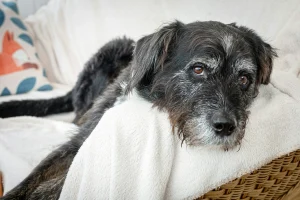
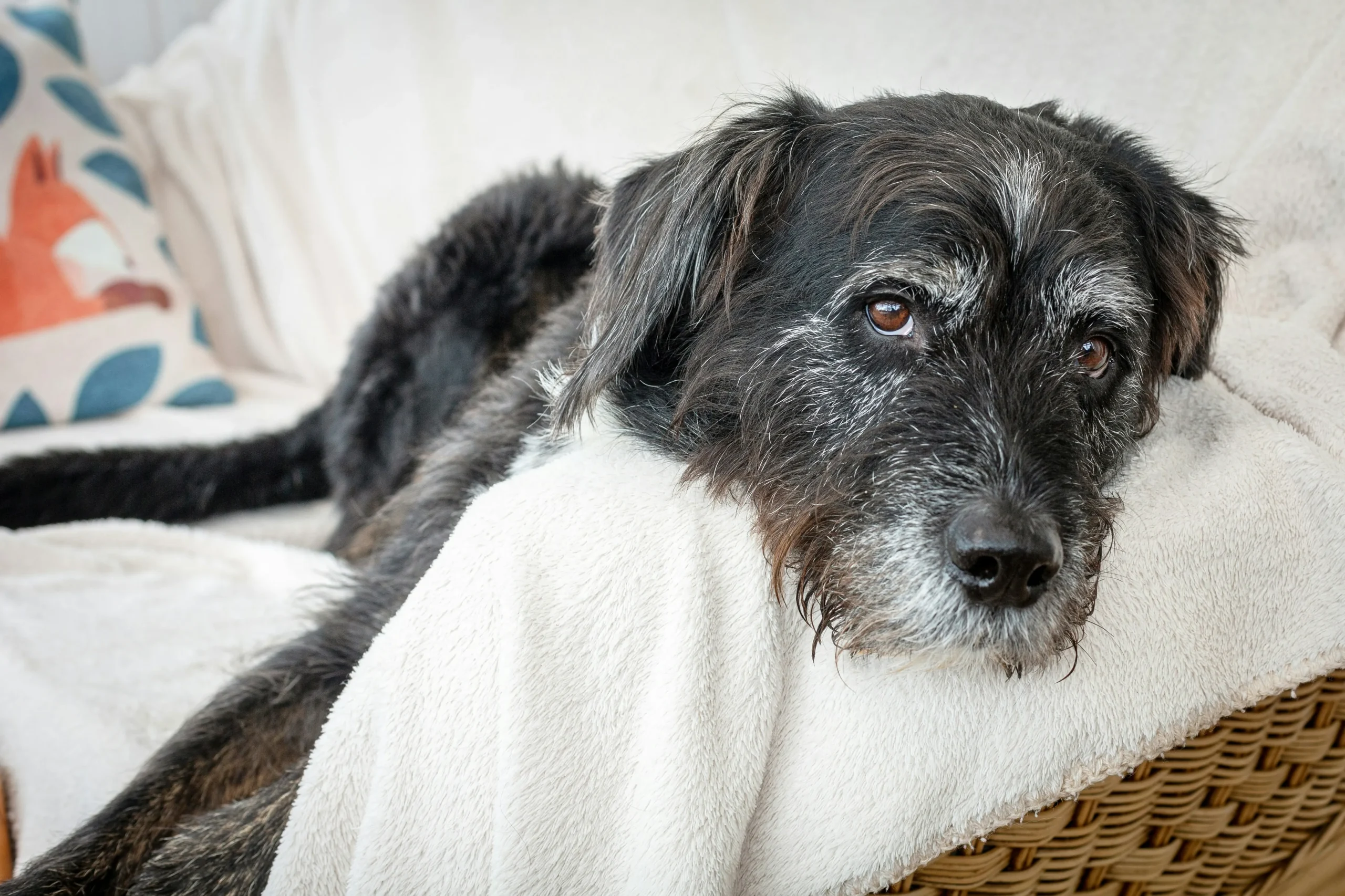
Watching a dog grow older can feel both tender and difficult. One day, they are bouncing towards the door before you have even touched the lead. Later, they may stand up more slowly, sleep more deeply, or look at the stairs as if they have personally offended them.
Old age in dogs does not always arrive in one obvious moment. More often, it appears through small changes that build over time.
The thing worth holding onto is this: ageing is natural, but discomfort should not simply be dismissed as “just old age”. When you notice what is changing, you can help your dog stay comfortable, safe and loved in their later years.
What Old Age Can Look Like in Dogs
There is no exact age when every dog becomes old.
Large breeds often show age-related changes earlier than smaller breeds, but every dog is different. Breed, health history, lifestyle, weight and temperament can all affect how ageing appears.
Rather than focusing only on your dog’s age, look at their day-to-day habits. Are they moving differently? Sleeping more? Less interested in food, walks or family life? Are they still enjoying the things that have always mattered to them?
If changes are sudden, severe or worrying, your usual vet should be your first point of contact. If your concerns are about later-life comfort, quality of life or whether it may be time to think about saying goodbye, our team can explain what a home euthanasia appointment may involve.
Physical Signs Your Dog May Be Getting Older
Many signs of ageing are physical. Some are easy to spot, while others are more subtle.
You may notice:
- A greyer muzzle or face
- Cloudier eyes
- Stiffness after resting
- Slower walks
- Difficulty getting up
- Less interest in stairs or jumping
- Changes in weight
- Thinner coat or skin changes
- More sleeping during the day
- Reduced stamina
The RSPCA’s guidance on caring for older dogs explains that senior dogs may need gentler routines, regular checks, adapted exercise and extra support as their senses or mobility change.
It is easy to think, “They are just slowing down.” Sometimes that is true. But if your dog is avoiding certain movements, struggling to settle or changing their normal routine, it may be a sign that something is uncomfortable.
Behaviour Changes That Can Come with Age
Ageing does not only affect the body. It can also affect how your dog behaves.
Some older dogs become quieter and more settled. Others become restless, clingy or easily startled. A dog who once coped well with household noise may begin to prefer a calmer room. A confident dog may become more unsure, especially if their hearing or eyesight is not as sharp as it used to be.
Watch for changes such as:
- Pacing or restlessness at night
- Confusion in familiar places
- Toileting accidents indoors
- Less interest in toys or visitors
- Becoming withdrawn
- Seeking more reassurance
- Barking more than usual
- Changes in sleep patterns
- Seeming anxious when left alone
The PDSA’s advice on dementia in pets notes that confusion, disrupted sleep and loss of toilet training can be signs worth discussing with a vet.
These changes can have different causes, including pain, anxiety, sensory loss or cognitive decline. Keeping notes can help you see patterns more clearly.
When Slowing Down May Mean Pain
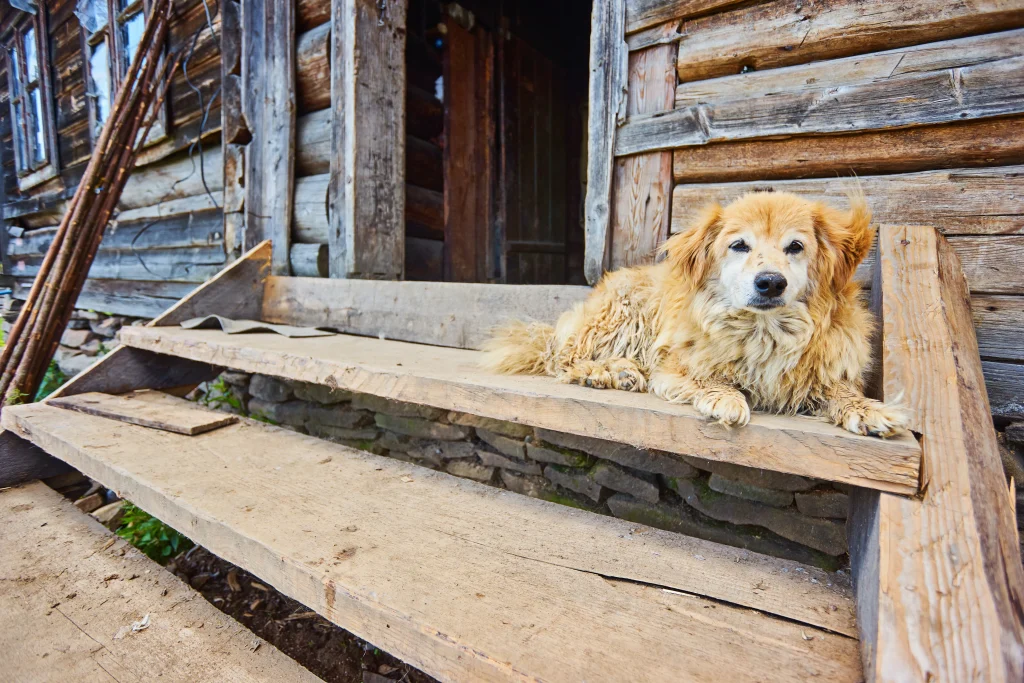
Dogs are often very good at hiding pain. Many will still wag their tail, eat their dinner and follow you around, even when something is not right. Loyal to the end, and not always helpful when you are trying to work out how they feel.
Pain in older dogs may show through small changes rather than obvious crying or yelping.
Signs that may suggest discomfort include:
- Limping or favouring one leg
- Struggling to rise after sleep
- Reluctance to lie down or settle
- Panting while resting
- Trembling or shaking
- Licking one area repeatedly
- Avoiding stairs, cars or furniture
- Becoming grumpy when touched
- Walking with a stiff or hunched posture
Our guide on recognising signs of pain in dogs explains some of the changes owners may notice when a dog is uncomfortable but still trying to carry on as normal.
If you suspect pain, speak with your usual vet. They can assess your dog and advise on suitable care, treatment or adjustments.
How to Support an Ageing Dog at Home
Supporting an older dog is often about making normal life easier. Small, practical changes can reduce strain and help them feel secure.
Make Their Space Easier to Use
Older dogs may benefit from:
- Non-slip mats on smooth floors
- Supportive bedding in a warm, quiet place
- Food and water bowls within easy reach
- Ramps or steps, where suitable
- Clear walkways through the home
- Avoiding frequent furniture changes
If your dog’s vision is changing, a predictable layout can help them move around with more confidence.
Adjust Walks Without Removing Enjoyment
Older dogs still need interest and stimulation, but they may not manage the same pace or distance.
Shorter, slower walks can be kinder than one long walk. Sniffing, gentle pottering, and familiar routes can still give your dog pleasure without over-tiring them.
Try to watch how they are afterwards. If they seem stiff, sore or exhausted after a walk, it may be time to reduce the distance or choose flatter routes.
Keep Food, Water and Weight Under Review
Changes in eating, drinking or weight can be important.
Keep an eye on:
- Eating less than usual
- Drinking much more or less
- Bad breath or difficulty chewing
- Vomiting or diarrhoea
- Weight loss
- Weight gain
These changes should not be written off as ageing without advice. Your usual vet can check whether there may be an underlying health concern.
A Simple Senior Dog Comfort Checklist
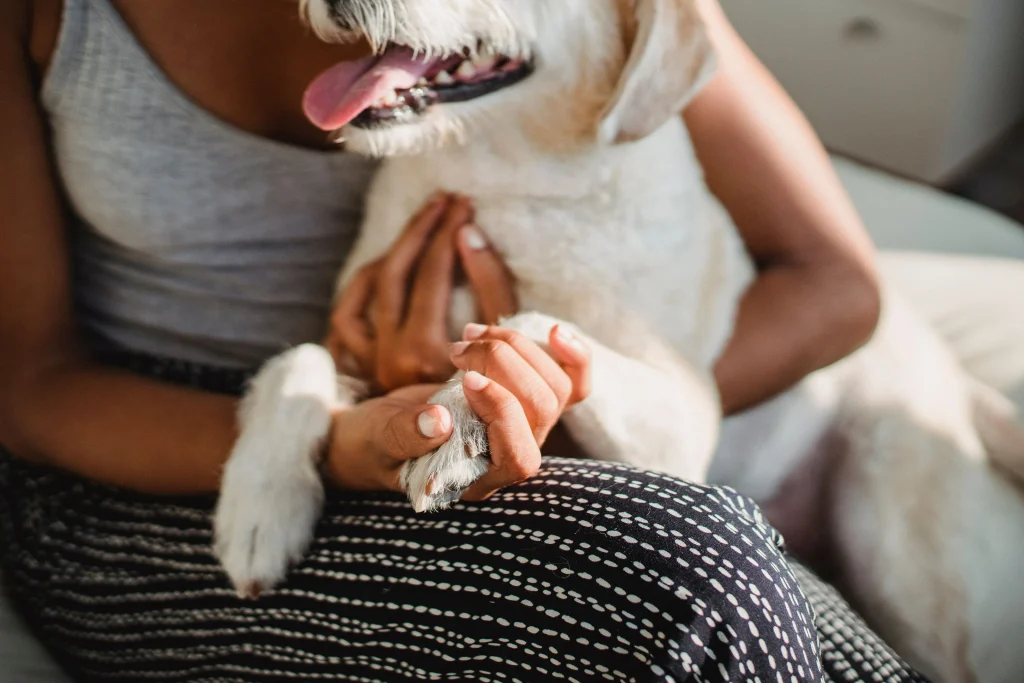
This checklist can help you notice whether your dog’s needs are changing.
Ask yourself:
- Can my dog get up, lie down and move around comfortably?
- Are they eating and drinking normally?
- Are they sleeping peacefully, or do they seem restless?
- Can they toilet without distress or repeated accidents?
- Do they still enjoy walks, food, affection or favourite routines?
- Are they showing signs of pain, confusion or anxiety?
- Are there more difficult days than comfortable ones?
You do not need to answer every question perfectly. The aim is to notice patterns. You may find it helpful to keep short notes for a week or two, especially around appetite, sleep, toileting, movement and mood.
If the answers begin to worry you, it may be time to speak with your usual vet or discuss later-life comfort with our team.
When to Think About Quality of Life
Quality of life is hard to think about, especially when your dog still has bright moments.
A dog may still have a good hour, a happy greeting or a moment of interest in their favourite treat, even when life is becoming difficult. That can make decisions feel confusing. One bright moment does not erase repeated discomfort, but one difficult day does not always mean the end is near, either.
The PDSA’s guidance on assessing your pet’s quality of life suggests looking at comfort, movement, eating, drinking, toileting and whether your pet still enjoys the things that matter to them.
It may help to mark good and bad days on a calendar. Over time, this can show whether your dog is mostly comfortable or mostly struggling.
Signs that quality of life may need closer discussion include:
- Pain that is not well controlled
- Difficulty standing, walking or settling
- Loss of interest in food or family
- Repeated confusion or distress
- Laboured breathing
- More bad days than good days
- No longer enjoying familiar comforts
These conversations are emotional. They need time, honesty and gentleness.
End-of-Life Support for Older Dogs at Home
For some families, caring for an elderly dog eventually leads to questions about euthanasia. This is never an easy subject, but it can be an act of love when a dog is no longer comfortable or enjoying life as they once did.
Our home euthanasia service is there for families who would prefer their dog’s final appointment to take place in calm, familiar surroundings. A home appointment can take place where your dog is most comfortable, close to the people they trust.
During an end-of-life appointment, the aim is to keep the appointment calm, gentle and centred around your dog’s comfort. It also gives you time to ask questions and understand what happens next.
If you are beginning to wonder whether this stage may be near, you can visit our home euthanasia service page to understand how the appointment works and how we approach this time with care and compassion.
You may also find our guide to making the decision to say goodbye to your pet helpful if you are trying to make sense of what your dog may need.
Caring for Your Older Dog with Patience and Love
As dogs age, we often need to slow down with them.
It asks us to notice the smaller things: the pause before a step, the longer sleep, the new worry, the quiet look that says they need help. These details matter because they help us care with more kindness.
You do not have to get everything perfect. What matters is that you keep noticing and responding with care. Your dog needs comfort, routine, patience and people who are willing to see what has changed.
If you are worried about your dog’s later-life comfort or whether it may be time to discuss end-of-life care, please get in touch with us. We are here to listen, explain the options and help you talk through the decision with care and without feeling rushed.
This article is for general information only. It is not a substitute for advice from your own veterinary surgeon, especially if your dog is showing signs of pain, illness or distress.